
Learn by doing
Practical, repeated participation can make skills feel familiar and easier to use in everyday situations.

Confidence through practice
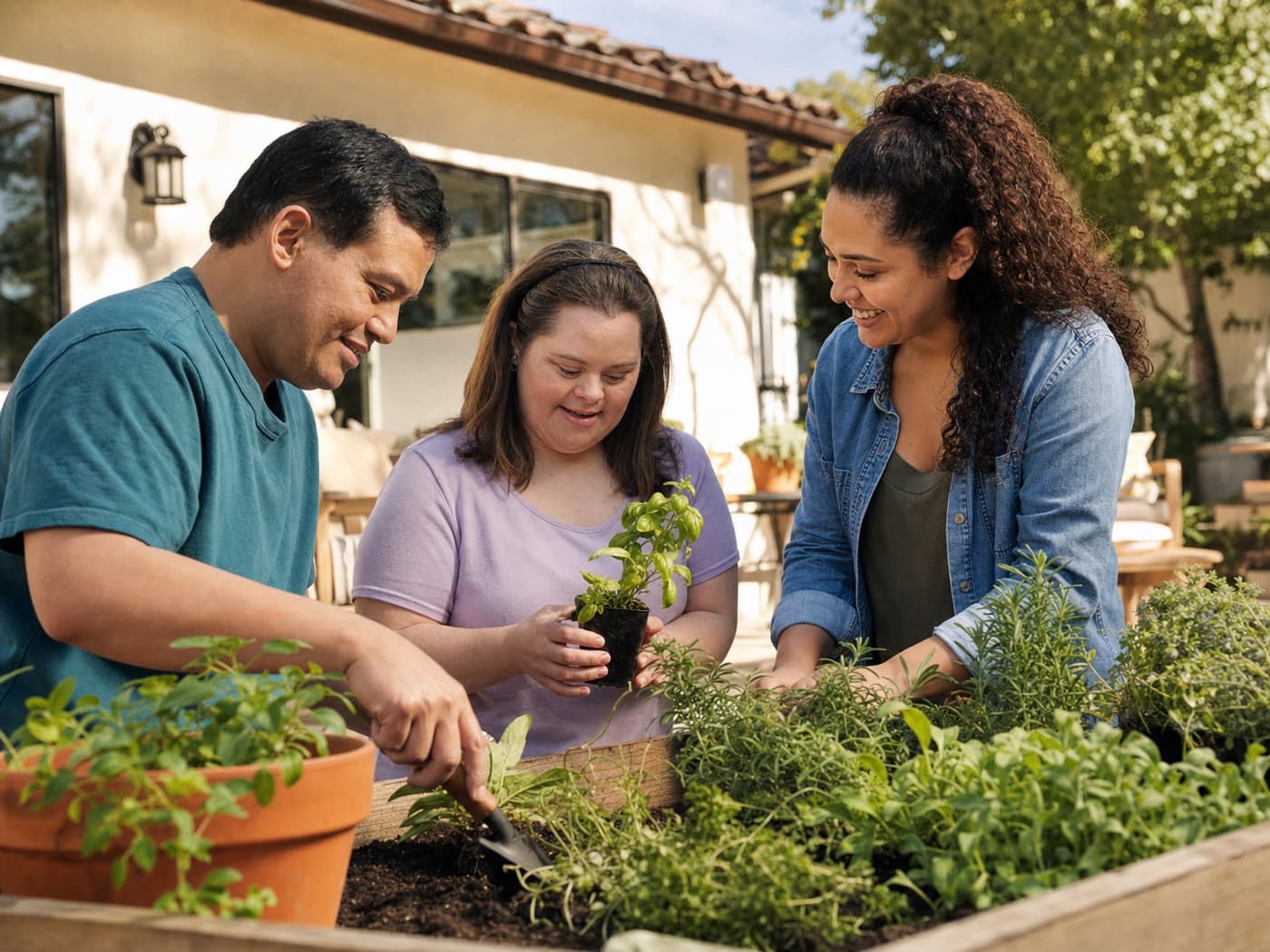
Life-skills support helps residents take part in personal care, meals, household routines, planning, and community life at a level that feels achievable and useful.
Explore this page ↓Understanding Life Skills
Life-skills support helps residents take part in personal care, meals, household routines, planning, and community life at a level that feels achievable and useful.
“The individual’s dignity, preferences, relationships, and goals belong at the center.”
The details that matter
Practical, repeated participation can make skills feel familiar and easier to use in everyday situations.
Support starts with what the person can already do and adds guidance only where it is helpful.
Progress may mean completing a task, making a choice, asking for help, or participating with greater confidence.
What to expect
Life-skills support helps residents take part in personal care, meals, household routines, planning, and community life at a level that feels achievable and useful. This page offers a practical starting point for understanding how life skills may connect to everyday residential life, planning, or communication.
Support may begin with waking, personal care, breakfast, preparation, communication, and the person’s preferred pace.
Appointments, programs, work, errands, household participation, recreation, relationships, and rest may shape the day.
Meals, preferred activities, medication routines where applicable, preparation for tomorrow, and staff communication help close the day.
Questions worth bringing
What does support look like during a typical weekday and weekend?
→How are preferences and communication reflected in routines?
→How are families, representatives, and coordinators kept informed?
→Which needs or accommodations should be discussed before a visit?
→Common questions
No. Residential support should be shaped around the individual and the applicable plan rather than a single household routine for everyone.
Yes. Families and representatives may begin with a general inquiry. A Regional Center coordinator may still participate in referral, planning, or authorization.
No. Specific needs, staffing, accessibility, availability, and household fit must be discussed directly and reviewed individually.
Start with a conversation